
Storytelling in advertising is not new, but it has never been more important than today. We live in a world full of noise — banners, videos, product pitches, influencers, apps, notifications. Everyone is trying to sell us something. But you know what cuts through that noise? A good story.
In this article, I’ll guide you through the best examples in storytelling advertising and will show you why choosing the right demand side platform like SmartyAds DSP is another essential component for ad automation. These are not just campaigns that got attention — they made people feel something. We’ll also break down why storytelling works so well and how you can use it in your marketing, whether you're a big brand or just starting out.
Key takeaways:
- Storytelling in advertising is about selling meaning and emotion not product features. It turns a pitch into something people feel connected to. It works because it creates connection makes people feel relatable helps the message stick in memory and keeps them engaged.
- Ten known examples have been studied: Nike ("Dream Crazy") Coca-Cola ("Share a Coke") Dove ("Real Beauty") Apple ("Shot on iPhone") Airbnb ("Belong Anywhere"), and others to revels why they suceed.
- There are five practical tips, for brands, start with the emotion you want to bring out, use people instead of actors, keep the story simple and clear, share it across channels and formats, and more.
- Good storytelling doesn’t need more budget. It needs empathy, a strong message and consistency. It builds long-term brand differentiation and trust.
- Choose a reliable technology to amplify your ads and channel them across screens and formats.

What is storytelling in advertising?
Storytelling in advertising is not just about saying what your product does. It’s about showing what it means in someone’s life. You’re not selling features — you’re creating meaning.
At its core, storytelling in advertising means using a narrative to deliver your brand’s message. That story can be true or fictional. It can be about your customer, your company, or a made-up character that represents your values.
But it always has the same goal: to make people feel something. Instead of listing specs or benefits, storytelling paints a picture. Instead of pushing the product, it pulls the viewer in emotionally.
For example, you could say your headphones have noise cancellation. Or you could show someone putting them on during a stressful commute — and finally finding peace. That’s the difference.
Storytelling uses emotion, character, conflict, and resolution — the same things we find in books and films. It makes your brand more human. More real. More relatable.
And the best part? People don’t feel like they’re being sold to. They feel like they’re part of something. A journey. A message. A feeling.
When done right, storytelling for marketing can:
- Build trust
- Spark emotion
- Help people remember your brand
- And influence real buying decisions
It’s not about being poetic or dramatic. It’s about being real. Being clear. And showing that your brand understands people, not just markets.
Storytelling in marketing turns cold advertising into a warm connection. That’s why it works. And that’s why more brands are using it today across social, video, display, and even performance ads.
Because when you tell a story, you’re not interrupting your audience, you’re engaging them. And that changes everything.
Why storytelling is so effective in advertising
Let’s talk about why storytelling works. Why do some ads stay in your head while others disappear the second you scroll past? The answer is simple: stories feel human. They connect. They stay with us.
Advertising isn’t just about showing a product anymore. It’s about showing a feeling. A story. A situation people can recognize or imagine themselves in. That’s what makes people care.
Let’s look at what makes storytelling such a powerful tool in marketing.
Emotional connection
People make decisions with emotions first, logic second. That’s just how we’re wired. We remember how something made us feel more than what it actually said. That’s why stories are so effective — they tap into emotion.
A good story in advertising creates a moment. It might make someone smile, tear up, or feel proud. And when your ad sparks that emotional reaction, it’s no longer “just an ad.” It becomes a memory.
And what happens next? People start to trust your brand. They see you as more than just a product or a price tag. You become part of their world or at least part of their day.
Relatability
People want to see themselves in the stories they hear. If your audience can’t relate to your message, they’ll tune it out. That’s why relatability matters so much.
A good ad doesn’t talk at people. It speaks with them. It mirrors their thoughts, problems, and dreams. When someone watches or reads a story and thinks, “That’s me” — that’s when you’ve hit the mark.
And no, you don’t need a dramatic storyline. Often, it’s the small things such as daily routines, personal moments, familiar situations feel the most real. Relatable stories build bridges. They tell your audience, “We see you. We get you.”
Stories are memorable
We’re all exposed to hundreds of messages every day. Most of them vanish from our minds instantly. But a story? A good story stays.
Our brains react to stories in a different way. When we hear a story, we don’t just process words. We imagine the scene, feel the emotion, and follow the flow. More parts of the brain light up. It’s not just information anymore, it becomes an experience.
That’s exactly why storytelling works so well in advertising. It gives structure to your message. It adds rhythm and emotion. And when people connect with a story, they’re more likely to remember it. And if they remember the story, they’ll remember your brand too.
Stories invite engagement
Stories don’t just sit there, they move people. They spark reactions, comments, shares. They create a reason for someone to interact with your content.
When people feel something, they’re more likely to respond. Maybe they’ll share the video. Maybe they’ll tag a friend. Maybe they’ll write a comment or simply remember your brand next time they’re shopping.
That kind of engagement isn’t forced, it’s earned. And it’s way more valuable than passive views or clicks.
Also, stories give your audience a role to play. They can relate, react, and add their own voice. They don’t just watch your message, they become part of it.
Brand differentiation
Let’s face it. Most products out there aren’t that unique. Many brands sell similar things at similar prices. So what makes people choose one over another?
The answer is story.
When you tell a compelling story, you create meaning. And meaning is what separates a brand from just another product on the shelf.
Storytelling helps you define your personality. It shows what your brand stands for, what values you support, what kind of emotional space you want to live in. You stop being just a company and become a character in people’s minds.
A brand with a story is easier to remember, easier to connect with, and harder to replace.

10 best examples of storytelling in advertising
Let’s go deeper into the storytelling marketing examples that nailed it. I’ll show you why they worked and what you can learn from them.
1. Nike – Dream Crazy
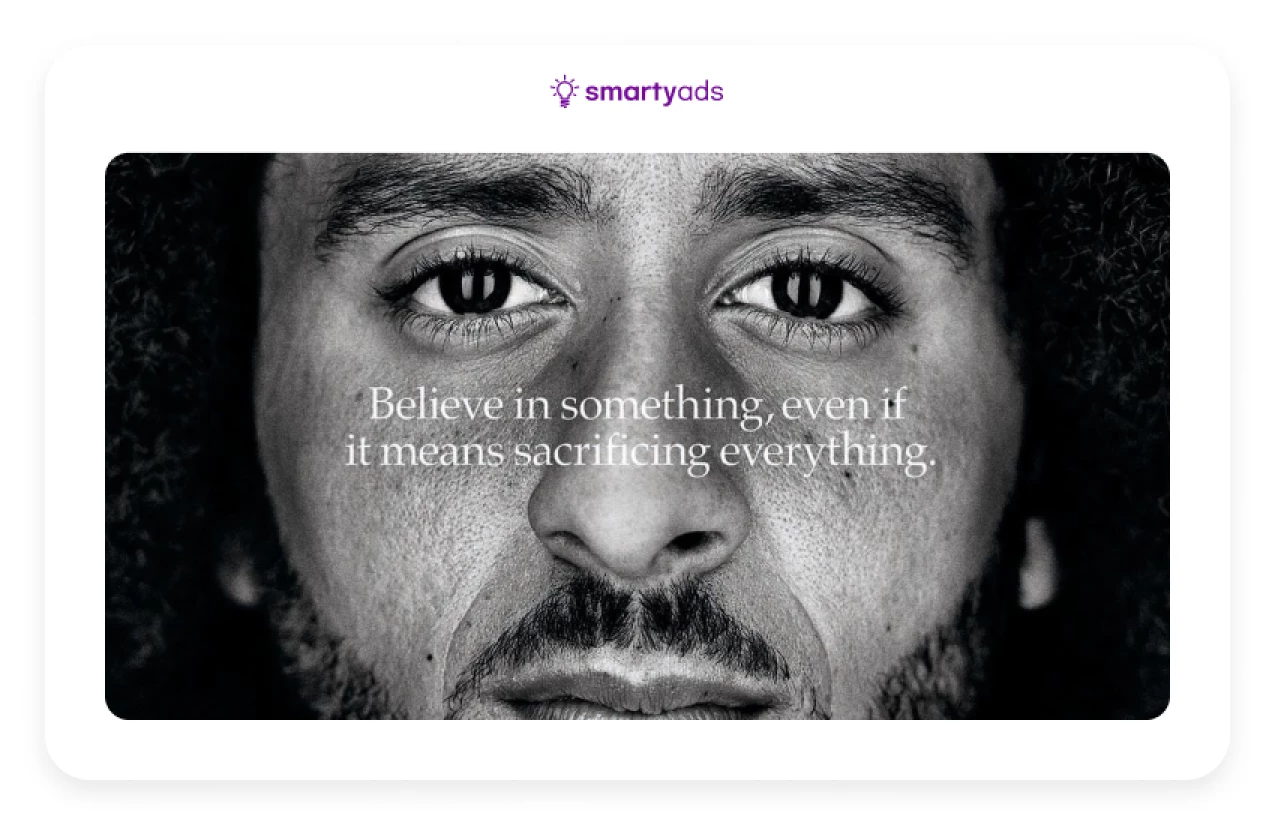
Narrated by Colin Kaepernick, the ad features athletes overcoming impossible odds. It doesn’t show Nike products. It shows passion, sweat, belief.
The message? "Believe in something. Even if it means sacrificing everything." It’s bold. It’s emotional. It tells you who Nike is — a brand for the brave.
2. Coca-Cola – Share a Coke
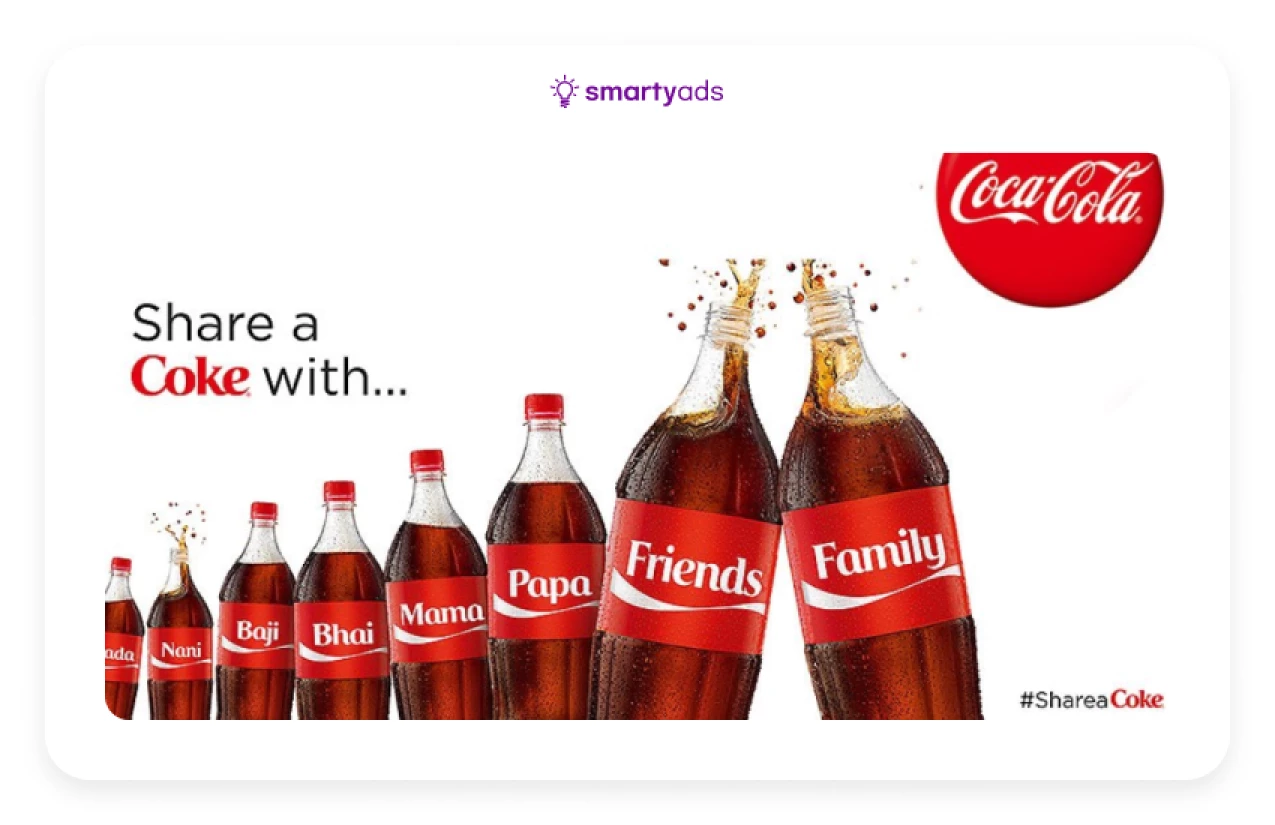
These storytelling advertising examples started in Australia and went global. Bottles were printed with hundreds of first names, and people were encouraged to “Share a Coke with…”
It turned a product into a conversation starter. It made people buy Cokes for others, take photos, post online and tell their own story. It wasn’t just personalization. It was emotional branding.
3. Dove – Real Beauty
Instead of perfect models, Dove featured everyday women…with wrinkles, curves, gray hair, freckles.
They told honest stories about confidence, beauty standards, and self-image. One viral ad showed women describing themselves to a sketch artist, then compared that with how strangers described them.
It was shocking, emotional, and deeply human. Dove became more than a soap brand. It became part of a global conversation.

4. Apple – Shot on iPhone
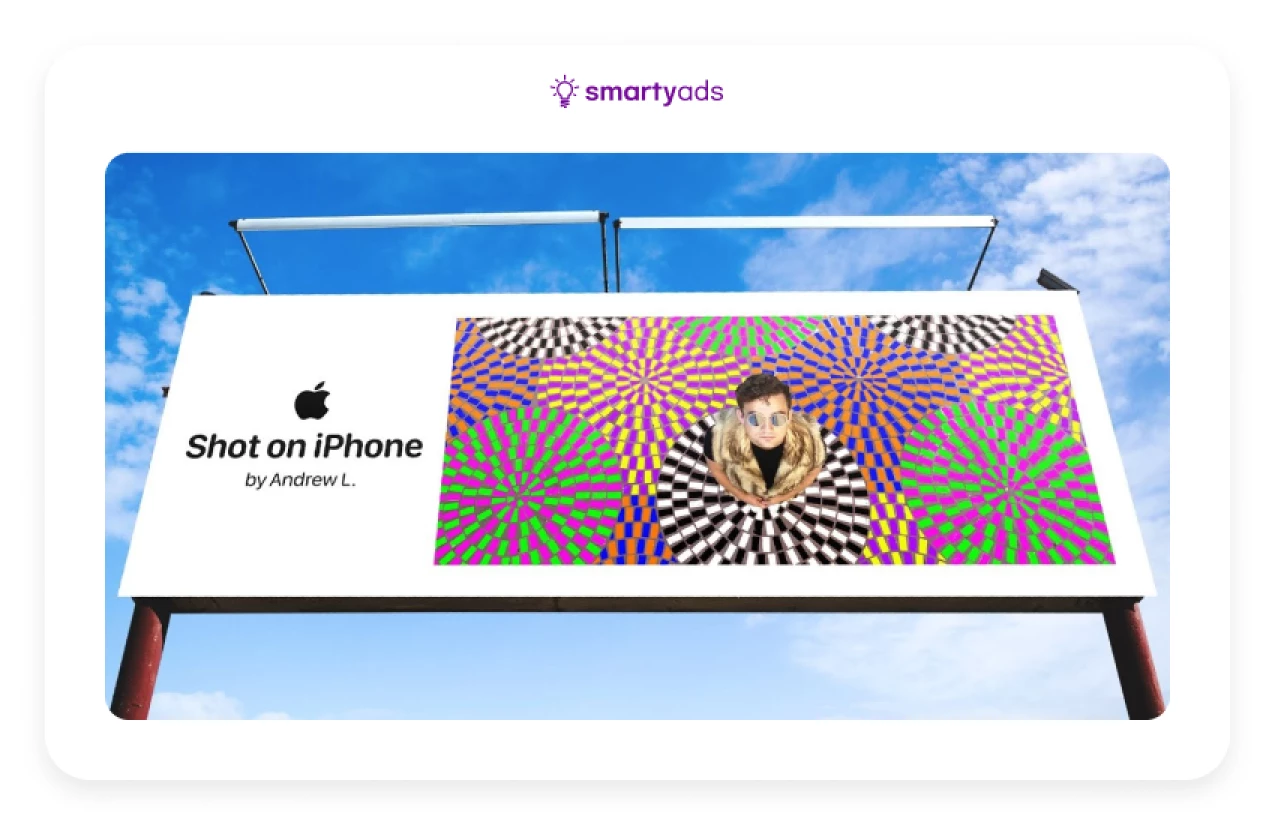
Instead of polished TV spots, Apple showed what real people could create using just an iPhone. This is one of the storytelling advertising examples to take as an example.
Photos from users around the world were displayed on billboards, websites, and ads. The focus was not on Apple, but on human creativity. It built trust. It showed, not told. And it made people feel like artists.
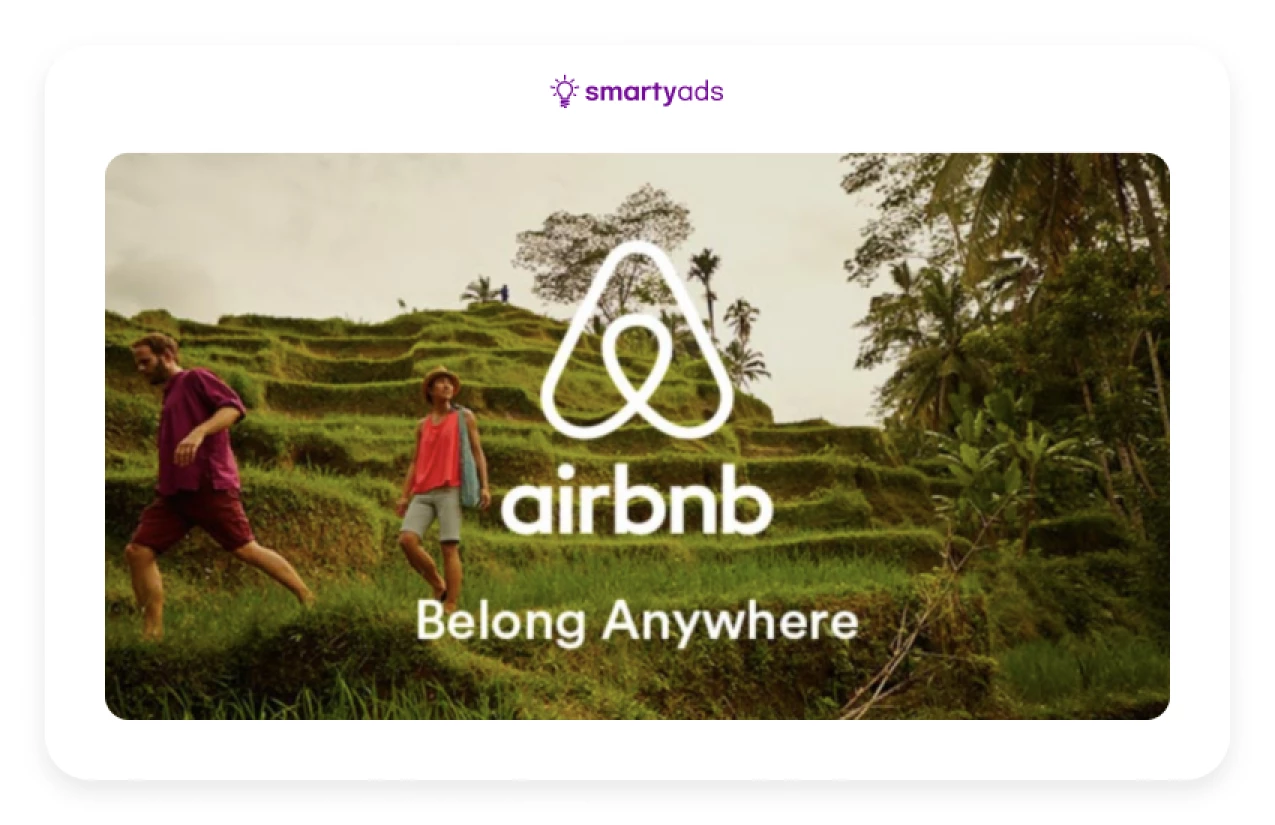
5. Airbnb – Belong Anywhere
With this campaign, Airbnb focused on the stories of travelers and hosts. It showed real homes, real meals, real conversations.
One video featured a blind man who traveled to Istanbul and connected with his host through music. Another followed a couple staying in the home of a refugee. It made travel feel personal, emotional, and inclusive.
6. Google – Year in Search
This annual campaign pulls together what people searched for that year whether it’s joy, tragedy, hope, heartbreak.
But the genius is how they connect it. It’s not just a list of keywords. It’s a journey. You feel like you’re watching a highlight reel of humanity. That’s what makes it so powerful and one of the best storytelling in advertising examples.

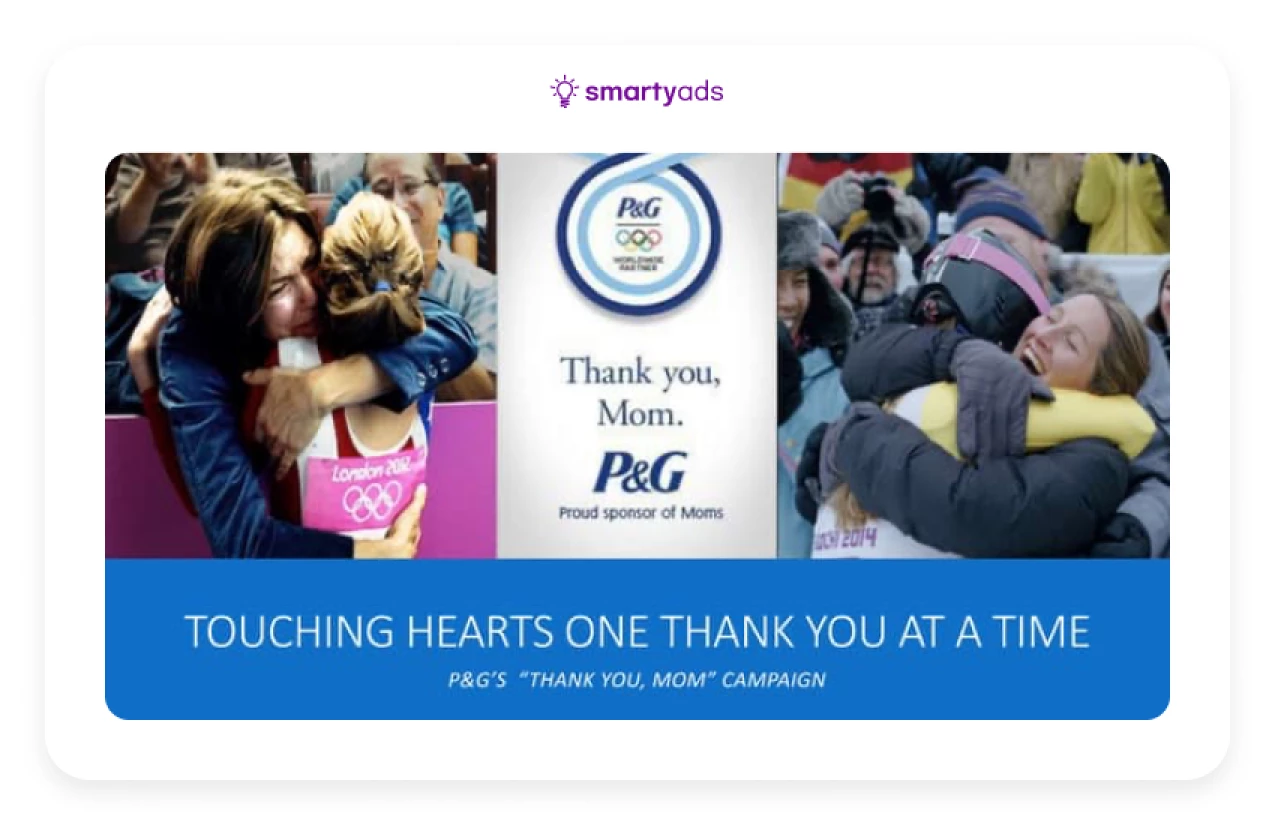
7. P&G – Thank You, Mom
P&G, the parent company of brands like Tide and Gillette, created a campaign thanking mothers of Olympic athletes.
The ad showed kids growing up, falling, failing, and getting back up with their moms always there.
It’s a universal story. One that makes people tear up. And it linked the brand to love, strength, and family.
8. John Lewis – Christmas Ads
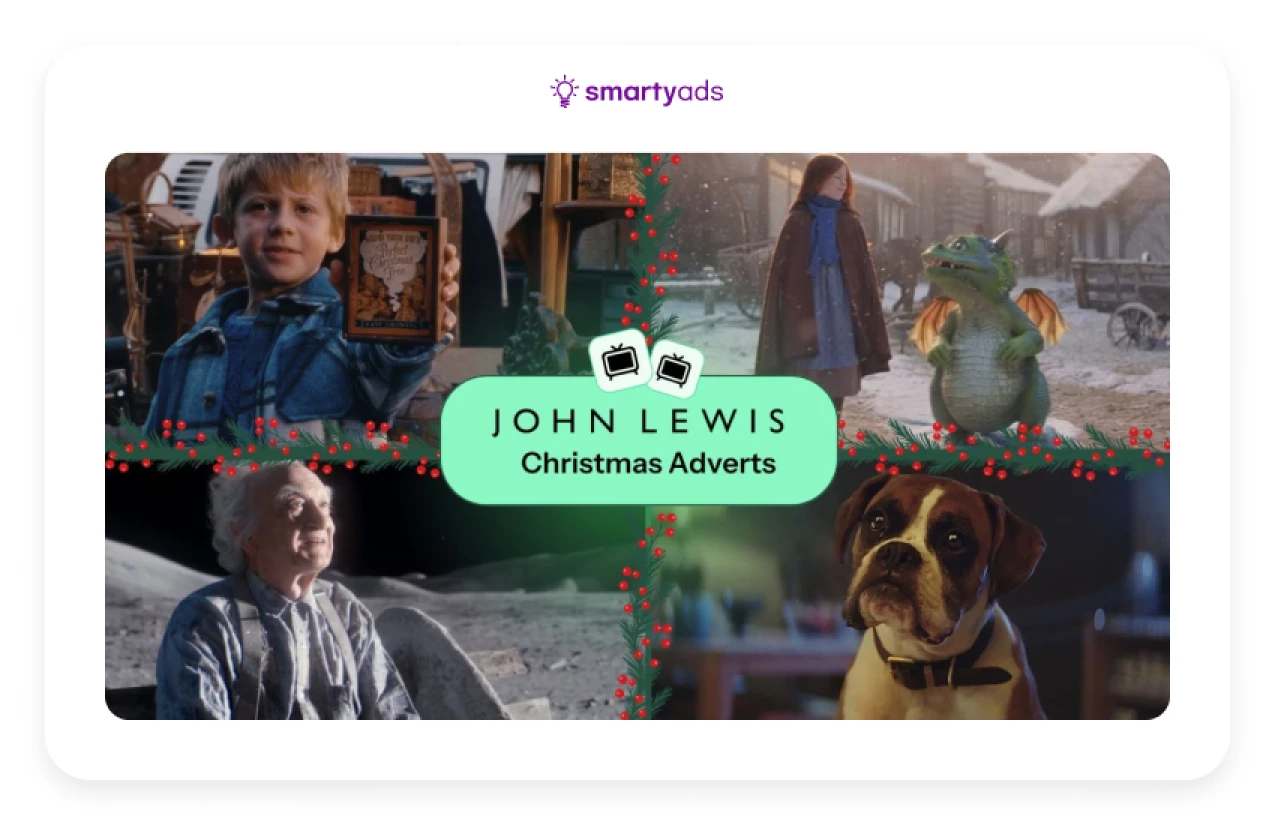
Every year, this UK retailer releases a heartwarming Christmas story. A boy waiting for Christmas… not for his gifts, but so he can give his gift to someone else. Or a dragon trying to fit in.
These ads became cultural events. People look forward to them. That’s the power of long-term storytelling.
9. Budweiser – Puppy Love
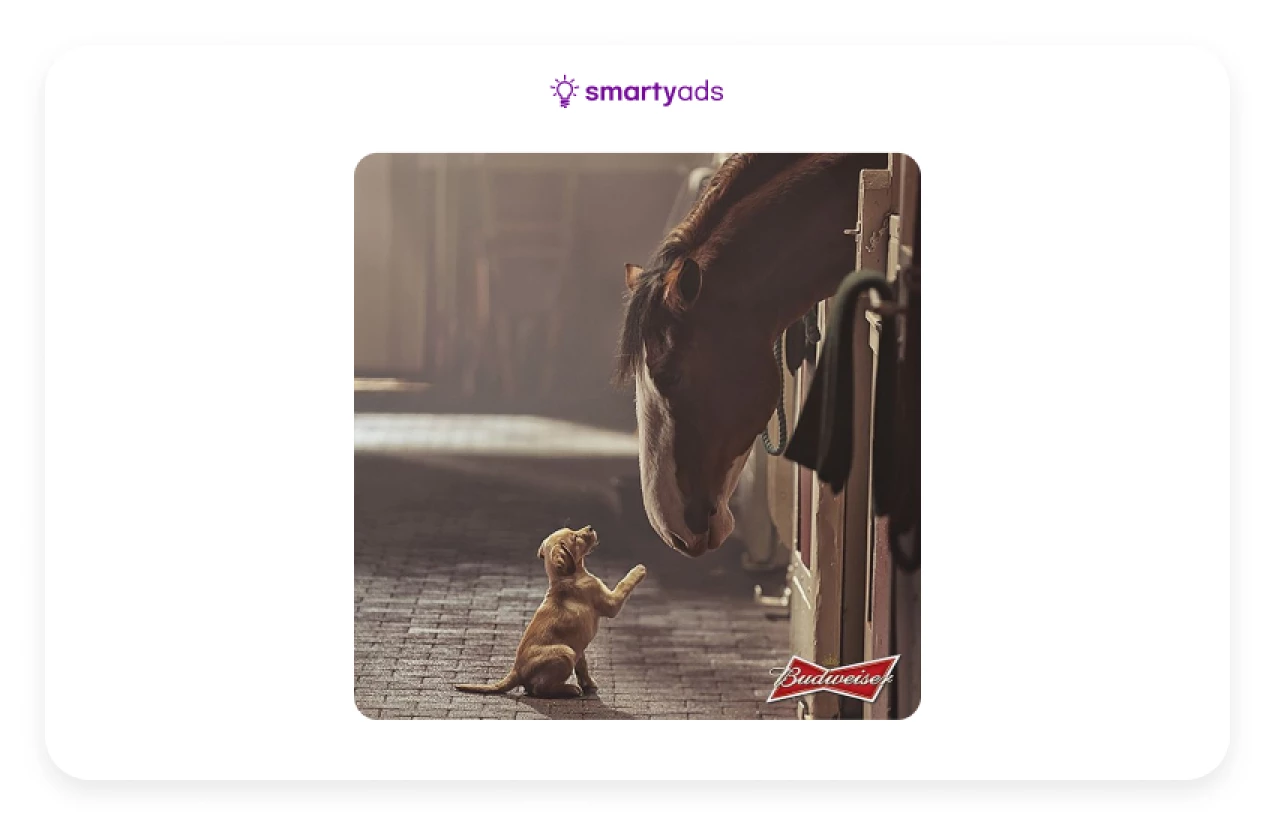
A puppy and a horse become best friends. That’s the story. No actors. No slogans. Just emotion.
And yet, this Super Bowl ad remains one of the most beloved ever. It shows that storytelling doesn’t have to be complex to be effective.
10. Always – #LikeAGirl
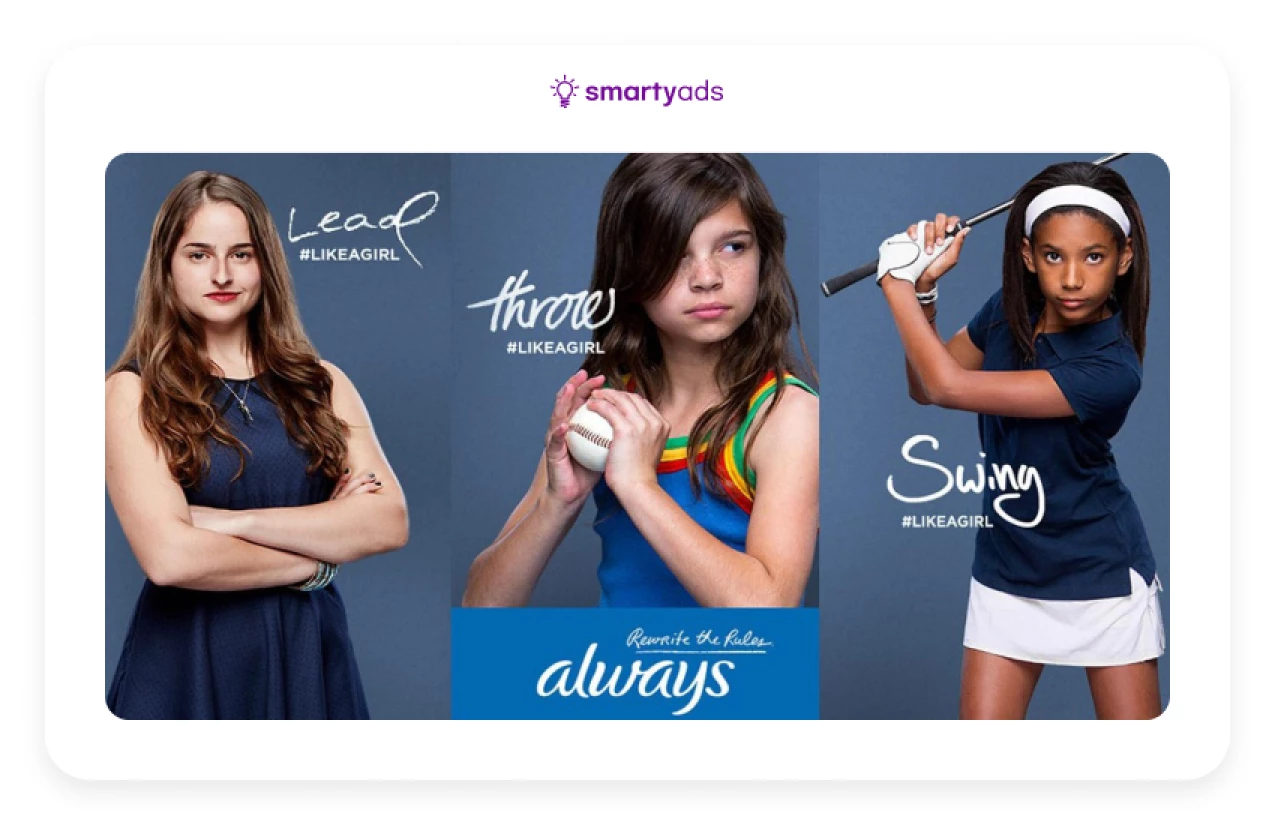
Let’s wrap these examples in storytelling marketing with the renowned brand Always They asked young girls what “like a girl” meant to them. The answers? Empowering, bold, full of pride.
Then they asked the boys. The answers were weak, slow, clumsy. The contrast was shocking and it sparked a movement. This campaign reframed a common insult and made it a badge of strength.
So, which storytelling approach should you use?
| Storytelling approach | Best for | Example | Key takeaway |
| Emotional story | Brand awareness & connection | P&G – Thank You, Mom | Connect the brand with a universal emotion |
| User-generated story | Trust & authenticity | Apple – Shot on iPhone | Let customers become part of the story |
| Personalization | Engagement | Coca-Cola – Share a Coke | Make the audience feel personally involved |
| Purpose-driven story | Brand values | Nike – Dream Crazy | Connect the brand with a larger idea |
| Relatable characters | Audience connection | Airbnb – Belong Anywhere | Show situations people can recognize themselves in |
| Long-term storytelling | Brand recognition | John Lewis – Christmas Ads | Build a consistent narrative over time |
Tips for implementing storytelling in your strategy — from SmartyAds
You don’t need a massive production budget or a Hollywood director to create a good brand story. What you need is a bit of empathy, a clear message, and the courage to sound human. After working with clients from different industries, we’ve seen what works — and what just adds noise.
Here are a few tips to help you bring storytelling advertising into your strategy in a way that actually connects.
Start with emotion
Don’t start with the product. When it comes to storytelling ads, start with the feeling.
Before you write a single word or open a storyboard, ask yourself: “What do I want people to feel when they see this?”
Do you want them to feel hopeful? Curious? Motivated? Maybe a little emotional? That’s your anchor. That feeling will guide your visuals, your words, your music — everything.
People remember how you made them feel more than what you said. Emotion is what sticks. So dig deeper than just “increasing awareness.” Think of the emotional response first and build everything else around it.
A good ad doesn’t need to explain everything. It needs to make someone say: “Wow. That hit me.”
Use real people
Forget actors. Forget scripted lines. If you want people to trust your brand, show them someone real.
Tell stories about your customers. Show what your product helps them do in real life. Maybe it’s a small business owner who doubled their sales. Maybe it’s a teenager who learned something new because of your platform.
Also: don’t be afraid to turn the camera around. Your team, the people behind the product, can also be a story. Show your developers, your support reps, your designers. Show how they work, what they care about, and why they believe in what they do.
People connect with people. Not polished, perfect campaigns. Real ones. Even if it’s filmed on a phone and the lighting isn’t perfect.
Don’t overcomplicate
Storytelling doesn’t have to be fancy.
You don’t need dramatic plot twists, slow-motion shots, or 90-second voiceovers to make people care. Sometimes, all it takes is one simple idea, told clearly.
It could be one person saying something honest to the camera. Or one powerful sentence on a black screen. If it’s true and if it taps into emotion, that’s enough.
We’ve seen brands try to do too much and end up confusing people. The best storytelling ads are the ones that are easy to follow, clear in purpose, and emotionally honest. Keep it simple. Keep it sharp. That’s how you win attention and trust.
Use multiple channels
Don’t put your story in one box. A great story deserves to live in more than one format. Maybe your core ad is a video. But what about turning that same story into:
- Short clips for social media
- A carousel post for Instagram or LinkedIn
- A behind-the-scenes blog
- A customer quote for email marketing
- A short animated teaser for display ads
Break it down. Stretch it out. Each format reaches a different part of your audience. And when your story shows up in many places, it starts to feel bigger, more like a narrative that surrounds the brand.
This also helps with consistency. When people hear your message more than once, in more than one place, it starts to feel familiar. Familiarity builds trust.
From Creative Strategy to Campaign Performance
Storytelling attracts attention, but campaign performance also depends on how effectively the creative reaches the intended audience. In a SmartyAds DSP campaign, Zentrix Digital achieved a 40%+ win rate, 0.56% CTR, $0.67 eCPC, and $3.80 eCPM.
How to turn storytelling into an advertising campaign
A strong story is only the first step. To turn it into a campaign, connect your creative idea with the right audience, formats, and distribution strategy.
- Define the story and campaign goal — Decide what you want the audience to feel and what the campaign should achieve.
- Identify your audience — Define the audiences most likely to relate to your story.
Choose the right formats — Use video, CTV, native, display, or mobile formats depending on where your audience is most engaged. - Launch and test — Test creatives, audiences, formats, and placements to see which combinations perform best.
- Optimize and scale — Use campaign performance data to adjust targeting and spend while scaling the strongest-performing combinations.
Programmatic advertising can help manage this process across multiple channels from one platform.
Make it ongoing
One story is good. But a storyline is better. The best brands treat their storytelling like a series. They create themes, personalities, or values that show up again and again across campaigns.
Think of it like chapters in a book. Each ad, each post, each piece of content, it’s one page in the larger story of your brand.
Maybe your company believes in progress. So you tell stories about people making bold moves, learning, growing. Or maybe you stand for simplicity. Then you keep showing how life can be easier, cleaner, calmer.
Over time, this adds up. People start to understand what you stand for without you having to say it out loud every time.
And honestly? That’s when storytelling starts to work like magic. Not just once, but long-term.
Consider SmartyAds your trusted partner
A memorable story needs more than creative execution — it needs the right audience, distribution, and optimization. SmartyAds DSP helps advertisers launch and manage programmatic campaigns across display, video, mobile, CTV, and other formats.
Whether your goal is brand awareness, audience engagement, or performance, you can combine creative storytelling with data-driven targeting and campaign optimization. In case you are also looking for a reliable in game advertising network, be sure to contact us.
Want to put your storytelling into action? Join SmartyAds DSP and create campaigns that actually connect. 
FAQ:
A good storytelling ad has a clear message, relatable characters or situations, emotional relevance, and a strong connection between the story and the brand. The story should be easy to follow and support the campaign goal rather than distract from it.
Video and CTV are especially suitable for longer narratives, while native and display formats can communicate a story through shorter visual and textual elements. The best format depends on the campaign goal, audience, and distribution strategy.
Programmatic advertising helps advertisers distribute storytelling creatives to relevant audiences across channels and formats. Advertisers can use targeting, campaign data, and optimization tools to manage reach and performance.
The cost depends on factors such as audience, GEO, advertising format, campaign objective, inventory, and bidding strategy. Programmatic campaigns can be adjusted to different budgets and optimized based on performance.
For sure. Videoadvertising is considered the best format to convey your messages to the audience. SmartyAds supports videoadvertising, as well as display formats, DOOH, audio ads, and many others that you can run programmaticlaly.

.webp)